
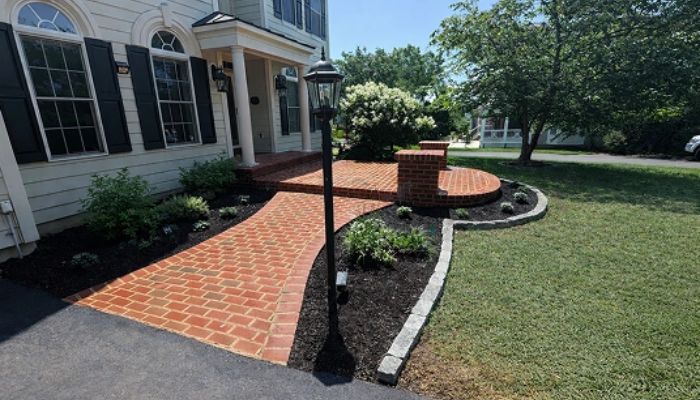
A new patio is one of the best investments you can make for your home, but one question always comes up before construction begins: How long wills it actually last? The answer isn’t as simple as assigning a number of years. A patio’s lifespan depends on the quality of installation, the materials used, local weather conditions, and how well it’s maintained over time.
In Centreville, VA, outdoor spaces experience hot summers, freezing winters, and frequent rainfall throughout the year. These changing conditions can either shorten or extend the life of a patio depending on how it’s built. That’s why homeowners should look beyond appearance and focus on the construction methods used beneath the surface.
Homeowners often ask experienced patio contractors in Centreville, VA how long a professionally installed patio should last. The answer depends on the materials, foundation preparation, drainage, and ongoing maintenance. At JP Companies Inc., we believe understanding these factors helps homeowners make better long-term decisions before starting any patio project. At JP Companies Inc., every project is designed with durability in mind because a quality patio should be an investment that lasts, not a project that needs constant repairs.
So, How Long Should a Patio Last?
A professionally installed patio typically lasts anywhere between 25 and 50 years. In many cases, it can last even longer when the right materials are combined with expert workmanship and regular maintenance.
However, not every patio reaches its full lifespan. Some begin to crack, settle, or develop drainage issues within ten years because corners were cut during installation. While homeowners often blame the material, the real issue is usually hidden beneath the surface.
A patio is only as strong as the base supporting it. If the foundation isn’t properly prepared, even premium pavers or decorative concrete won’t perform as expected.
The Foundation Determines Everything
Think of a patio like a house. No matter how attractive the exterior looks, it won’t last if the foundation is weak.
Before installation begins, contractors should carefully evaluate the soil, excavate to the correct depth, compact the base material, and establish proper grading. These steps help distribute weight evenly while allowing water to drain away from the patio instead of collecting underneath it.
When these details are overlooked, the patio becomes vulnerable to cracking, uneven settling, and surface movement. These problems rarely appear immediately, but they often become noticeable after several seasons of changing weather.
This is one reason homeowners choose experienced companies like JP Companies Inc., where every stage of the installation process is completed with long-term performance in mind.
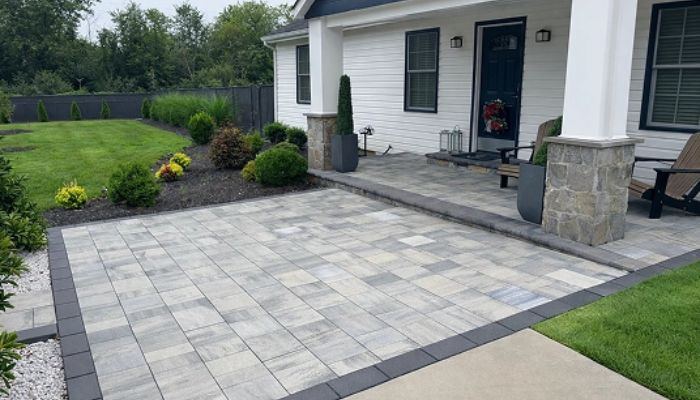
Why Centreville’s Climate Matters
The climate in Centreville presents unique challenges for outdoor hardscapes. Winter freeze-thaw cycles cause moisture trapped beneath the patio to expand and contract repeatedly. Over time, this movement can weaken the foundation and create structural issues.
Spring storms bring significant rainfall, making drainage one of the most important parts of patio construction. During summer, heat causes expansion in certain materials, while heavy foot traffic and outdoor furniture create additional stress throughout the year.
Professional contractors account for these environmental factors before construction even begins. Instead of simply installing a patio, they design a system capable of handling local weather conditions for many years.
When Should You Call Patio Contractors in Centreville, VA?
Many homeowners wait until visible cracks or uneven surfaces appear before contacting a contractor. However, early signs such as poor drainage, loose pavers, or minor settling can often be addressed before they become expensive structural problems.
Professional patio contractors can evaluate the condition of your existing patio, determine whether repairs are sufficient, and recommend replacement only when necessary. Addressing these issues early often extends the life of your outdoor space while avoiding larger repair costs in the future.
This section naturally connects the blog’s informational intent with the contractor keyword, making it more relevant without turning it into a service page or conflicting with your Patio Installation Company page. It’s the cleanest way to strengthen the blog for that keyword while preserving the service page’s broader optimization.
Comparing Patio Materials
Choosing the right material also affects the overall lifespan of your investment. While each option offers advantages, understanding the differences helps homeowners make informed decisions.
| Patio Material | Average Lifespan | Maintenance | Performance in Centreville |
| Concrete | 25–30 Years | Low | Excellent |
| Concrete Pavers | 30–50 Years | Low–Moderate | Outstanding |
| Natural Stone | 50+ Years | Moderate | Excellent |
| Brick Pavers | 25–40 Years | Moderate | Very Good |
Working with experienced patio contractors ensures each material is installed according to industry standards, allowing homeowners to maximize its expected lifespan.
Learn more: The Secret to Long-Lasting Patios: Choosing the Right Hardscape Contractor
Why Drainage Is More Important Than Most Homeowners Realize
Ask any experienced contractor about the biggest threat to a patio, and the answer is usually the same—water.
Poor drainage allows water to collect beneath the patio, slowly washing away the supporting base. During winter, that trapped moisture freezes and expands, creating pressure that can eventually lead to cracks, uneven sections, or loose pavers.
Proper grading directs water away from both the patio and your home’s foundation. Combined with quality base preparation, effective drainage significantly increases the lifespan of the entire outdoor living space.
It’s one of those details homeowners rarely notice, yet it makes one of the biggest differences over the next several decades.
Maintenance Still Plays an Important Role
Even the best-built patio benefits from occasional maintenance. Experienced contractors often recommend keeping the surface clean to prevent dirt, moss, and debris from building up over time. Resealing concrete when needed helps protect against moisture and staining, while replacing damaged pavers early prevents larger issues from developing.
A simple annual inspection can also identify minor problems before they become expensive repairs. Small maintenance habits often add years to a patio’s lifespan while preserving its appearance.
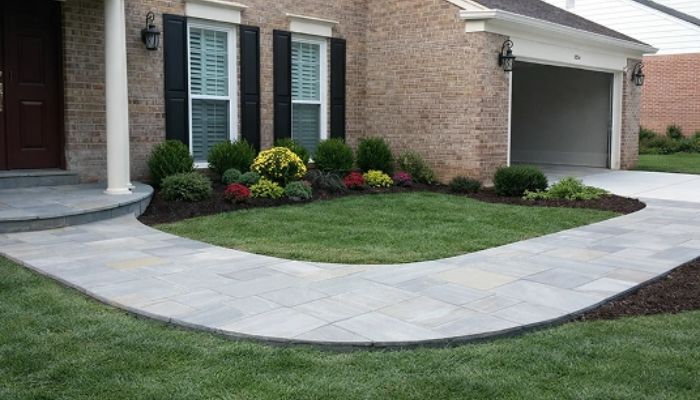
Why Professional Patio Contractors Make the Difference
A patio isn’t just another landscaping project. It’s a permanent feature that becomes part of your home’s outdoor living area.
Professional installation reduces the risk of future repairs because every stage—from excavation to finishing—is completed using proven construction practices. Homeowners not only enjoy greater durability but also benefit from improved curb appeal and increased property value.
At JP Companies Inc., we believe every outdoor project should combine lasting performance with attractive design. Whether you’re planning a backyard patio or expanding your outdoor living space with Driveways Installation, Elegant Paver Walkways, or Signature Community Scapes, quality craftsmanship should always come first.
You can also stay connected with our latest outdoor projects and inspiration on Facebook to see how local homeowners are transforming their properties.
Final Thoughts
So, how long does a patio really last in Centreville?
When it’s designed correctly, built on a properly prepared foundation, and maintained over the years, a patio can easily provide 25 to 50 years of dependable performance. The difference between a patio that lasts decades and one that fails early usually comes down to workmanship rather than materials alone.
Choosing experienced patio contractors Centreville VA gives your project the best chance of standing up to Virginia’s changing weather while continuing to enhance your home’s value and outdoor lifestyle. At JP Companies Inc., our goal is to build patios that homeowners can enjoy for many years with confidence.
Contact Us
Whether you’re replacing an aging patio or planning a brand-new outdoor space, JP Companies Inc. helps homeowners build patios designed for long-term performance. If you’re looking for experienced patio contractors in Centreville, VA, we’re ready to discuss your project and recommend the best solution for your property.
Contact us today to schedule your consultation and take the first step toward creating an outdoor space built to last.
Frequently Asked Questions
1. How long does a professionally installed patio usually last?
Most professionally installed patios last between 25 and 50 years, depending on the material, installation quality, and ongoing maintenance.
2. What causes patios to crack before their expected lifespan?
Poor base preparation, inadequate drainage, soil movement, and freeze-thaw cycles are among the most common reasons patios develop cracks prematurely.
3. How do I choose the right patio contractor in Centreville?
Look for contractors with experience in proper excavation, base preparation, drainage design, and material installation. A well-built foundation is often more important than the material itself when determining how long a patio will last.
4. Does proper drainage really make a difference?
Yes. Effective drainage prevents water from weakening the patio’s foundation, helping reduce settling, cracking, and frost damage over time.
5. Should I repair or replace an aging patio?
If the damage is limited to small cracks or a few loose pavers, repairs may be enough. However, widespread structural issues often make replacement the better long-term investment.
