
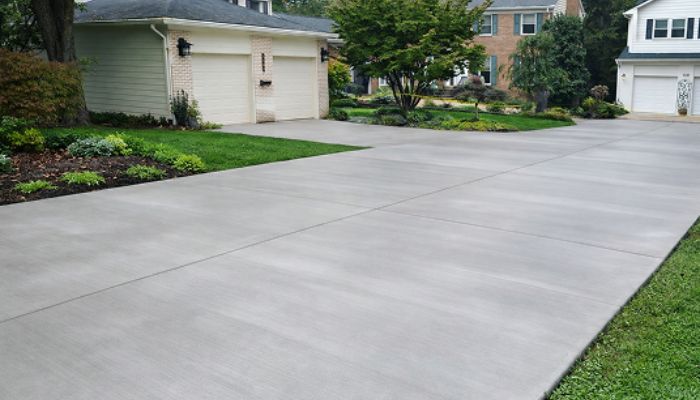
Choosing the right surface material for a driveway or patio is more than a design decision. Homeowners in Northern Virginia need to consider weather, soil conditions, drainage, maintenance, appearance, durability, and long-term value before selecting a surface. Concrete and pavers are two of the most popular options, but each has advantages that make it better suited to certain properties and project goals.
JP Companies Inc. helps homeowners create durable driveways and patios designed around the property, intended use, and local conditions. Understanding how concrete and pavers compare can make it easier to decide which option is the right investment for your home.
Understanding the Difference between Concrete and Pavers
Concrete is typically poured as a continuous surface and can be finished in several ways, including broom, exposed aggregate, stamped, or scored designs. It creates a clean, unified appearance and can be customized to complement different architectural styles.
Pavers are individual units installed in a planned pattern over a properly prepared foundation. They can be arranged in different layouts, colours, textures, and borders; allowing homeowners to create a more detailed and customized appearance.
The biggest difference is how the two materials respond to movement. A properly installed concrete surface is rigid, while a properly installed paver system has individual units that can accommodate small amounts of movement. However, the performance of either material depends heavily on excavation, base preparation, grading, drainage, and installation quality.
Concrete: A Practical Choice for Driveways and Patios
Concrete remains popular because it offers a combination of strength, versatility, and relatively simple maintenance. For homeowners who prefer a clean, consistent appearance, concrete can provide a seamless look that works particularly well with modern and traditional homes.
A professionally installed concrete driveway installation can be engineered around factors such as vehicle loads, slope, and drainage, reinforcement, and site conditions. The foundation beneath the surface is especially important because inadequate preparation can contribute to settlement and cracking.
Concrete also provides numerous decorative possibilities. Homeowners can select different finishes and patterns rather than settling for a plain grey surface. A decorative finish can give a driveway or patio more visual character while maintaining the structural benefits of concrete.
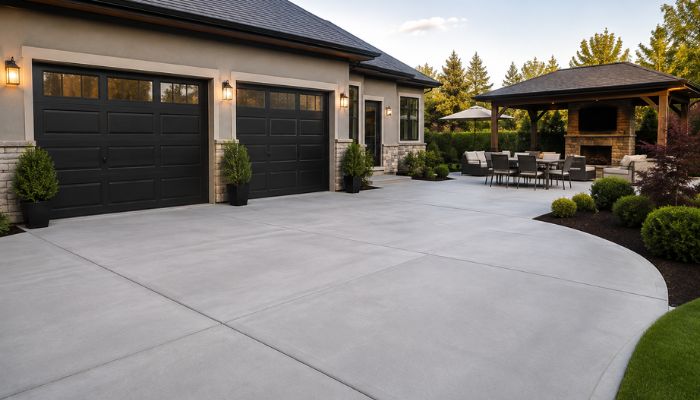
Pavers: Flexible Design and Repairability
Pavers offer a different combination of benefits. Because the surface is made from individual units, homeowners can create patterns, borders, transitions, and visual accents that may be difficult to achieve with a standard poured surface.
A paver driveway can provide a distinctive appearance that complements brick, stone, landscaping, or other architectural details around a home. Pavers are also available in numerous shapes, sizes, textures, and colours.
Another important advantage is repairability. If an individual paver becomes damaged or an area needs to be accessed for underground work, individual units can potentially be removed and reinstalled rather than replacing an entire continuous surface.
How Northern Virginia Weather Affects Your Decision
- Hot summers can stress surfaces
- Heavy rainfall requires proper drainage
- Freezing temperatures affect outdoor surfaces
- Freeze-thaw cycles cause surface movement
- Proper grading prevents water-related damage
- Soil conditions influence long-term stability
Maintenance: Concrete vs Pavers
Maintenance requirements vary depending on the installation, surrounding landscape, traffic, weather exposure, and homeowner expectations.
Concrete generally requires routine cleaning and may benefit from sealing depending on the finish and project requirements. Cracks should be monitored, particularly if water can enter and contribute to further deterioration.
Pavers may require occasional cleaning and joint maintenance. Weeds, erosion, or joint material loss can occur depending on environmental conditions and installation quality. One advantage is that localized repairs can often be more straightforward because individual units can be addressed.
Concrete or Pavers: Which Should You Choose?
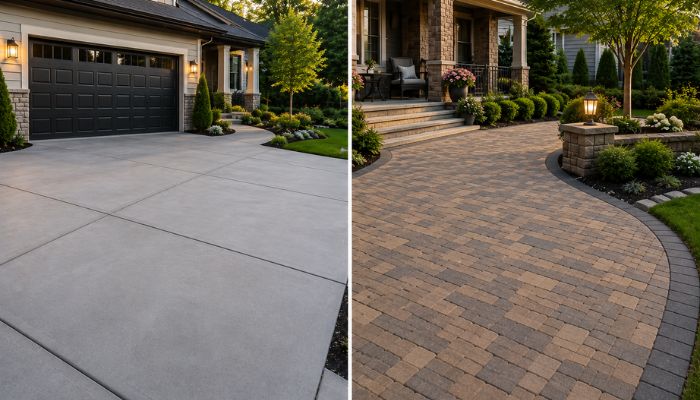
Concrete may be the better choice if you want a clean appearance, strong load-bearing performance, flexible finishing options, and a straightforward surface for a driveway or patio.
Pavers may be the better choice if design flexibility, patterns, individual-unit replacement, and a more segmented appearance are higher priorities.
For some properties, the best solution may even combine materials. A concrete surface with decorative borders, paver accents, or complementary masonry can create a distinctive appearance while maintaining practical functionality.
What about Cost?
- Project size affects overall cost
- Excavation requirements influence pricing
- Drainage needs can increase expenses
- Material selection impacts final pricing
- Complex designs may cost more
- Foundation preparation affects project value
- Long-term maintenance impacts total cost
Why Professional Installation Matters
Regardless of whether you select concrete or pavers, installation quality has a major impact on long-term performance. A driveway or patio is not simply a surface placed on top of the ground. It is a system that requires planning from the subgrade upward.
JP Companies Inc. has served Virginia and Maryland homeowners with driveways, patios, walkways, and masonry services, with an emphasis on preparation, craftsmanship, communication, and durable results.
Before choosing a contractor, homeowners should ask about excavation, base thickness, compaction, grading, drainage, reinforcement, joints or edge restraints, curing, and maintenance. These details can have a greater effect on performance than the surface material alone.
Choosing the Right Surface for Your Home
Concrete and pavers can both be excellent choices for Northern Virginia properties. The better option depends on your home’s design, how the surface will be used, drainage requirements, maintenance preferences, budget, and desired appearance.
Instead of choosing based solely on photographs or an advertised starting price, evaluate the entire construction system. A properly designed foundation, appropriate drainage, quality materials, and skilled installation can help your driveway or patio perform better for years.
If you’re planning a new driveway or patio in Northern Virginia, JP Companies Inc. can help you evaluate your options and determine an approach suited to your property. You can also use the company’s Google Business Profile to review its local presence and customer feedback before making your decision.
Contact Us
Ready to compare concrete and pavers for your next outdoor project. Contact JP Companies Inc. to discuss your property, design goals, material preferences, and installation requirements. A professional consultation can help you move from general ideas to a practical plan for a durable and attractive driveway or patio.
Frequently Asked Questions
1. Is concrete or pavers better for a Northern Virginia driveway?
Both can perform well when properly designed and installed. Concrete provides a strong, continuous surface, while pavers offer design flexibility and localized repair options. Soil, drainage, slope, traffic, maintenance expectations, and overall design should be considered before making the final choice.
2. Are pavers more resistant to cracking than concrete?
Pavers can accommodate small amounts of movement because they consist of individual units rather than one continuous slab. However, poor base preparation can cause pavers to shift or settle. Proper excavation, compaction, drainage, and installation are essential for either material.
3. Which requires less maintenance, concrete or pavers?
Both options can be relatively low-maintenance when installed correctly. Concrete typically requires cleaning and periodic inspection, while pavers may require joint maintenance and occasional adjustment. The surrounding landscape and drainage conditions can also affect maintenance requirements.
4. Can concrete and pavers be combined in one project?
Yes. Combining materials can create attractive borders, transitions, accents, or defined areas. For example, a homeowner might use one material for the main surface and another for edging or decorative detailing. The design should account for drainage, transitions, and long-term movement.
5. How do I know which material is right for my property?
Start with a professional site evaluation. The contractor should assess slope, soil, drainage, existing surfaces, accessibility, intended use, and design preferences. Comparing these factors together provides a much better basis for choosing between concrete and pavers than appearance or initial price alone.
