
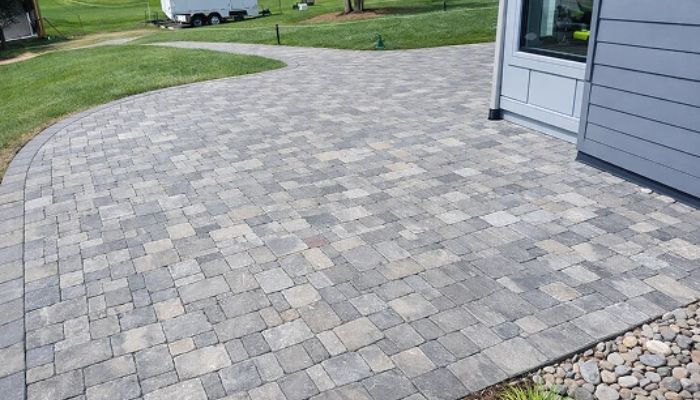
A well-built concrete surface does more than support daily activities. It improves the appearance of a property, increases functionality, and provides long-term value. Whether you are planning a new driveway, patio, walkway, or foundation, choosing professional Residential Concrete Services can make a significant difference in the performance and lifespan of the finished project.
Homeowners throughout Maryland often ask the same questions: How long does concrete last? What type of concrete works best for residential properties? How do you choose the right contractor? Understanding the answers helps property owners make informed decisions and avoid costly repairs in the future.
At JP Companies Inc., quality workmanship and attention to detail remain at the center of every project. This guide explains everything homeowners need to know about residential concrete work, common applications, benefits, installation processes, and maintenance practices that help concrete surfaces remain attractive and durable for years.
Why Concrete Remains a Popular Choice for Maryland Homes
Concrete continues to be one of the most widely used building materials in residential construction. Its strength, adaptability, and relatively low maintenance requirements make it suitable for a variety of outdoor and structural applications.
Maryland experiences changing weather conditions throughout the year, including heat, rain, snow, and freeze-thaw cycles. Concrete, when properly installed and maintained, can withstand these environmental factors while maintaining its structural integrity.
Homeowners often choose Residential Concrete Services because concrete offers a balance of durability, appearance, and long-term value. Modern finishing techniques also allow for decorative options that complement different architectural styles.
Common Residential Concrete Projects
Residential concrete applications extend far beyond traditional driveways. Professional contractors can design and install solutions that improve both functionality and curb appeal.
Some of the most requested residential concrete projects include:
- Concrete driveways
- Patios and outdoor living areas
- Sidewalks and walkways
- Pool decks
- Garage floors
- Concrete steps
- Foundations and slabs
- Retaining walls
- Decorative stamped concrete
- Exposed aggregate surfaces
Among all residential concrete projects, driveways remain one of the most valuable home improvements. A professionally installed driveway enhances curb appeal, supports daily vehicle traffic, and contributes to overall property value. Homeowners comparing design options often explore different textures, colors, and surface treatments before making a decision. For additional inspiration, read our guide on Best Concrete Driveway Finishes: Stamped, Colored & Polished Options, which explains popular finishing methods and their benefits for Maryland homes.
Each project requires specific preparation methods, materials, and finishing techniques to ensure long-lasting performance.
Understanding Concrete Strength and Durability
One reason homeowners invest in Residential Concrete Services is the exceptional strength concrete provides. Concrete is created by combining cement, water, sand, and aggregates such as gravel or crushed stone.
When mixed correctly and allowed to cure properly, concrete develops high compressive strength. Compressive strength refers to the amount of pressure a material can withstand before failing.
For residential applications, concrete mixtures are selected based on project requirements, local weather conditions, and expected traffic loads. Professional installation helps ensure the proper mix design is used for each specific application.
Benefits of Professional Residential Concrete Installation
Many homeowners consider concrete a long-term investment. Professional installation provides advantages that extend beyond appearance.
Long Service Life
Properly installed concrete surfaces can last several decades with routine maintenance. This longevity often makes concrete more cost-effective compared to alternative materials.
Low Maintenance Requirements
Concrete requires less upkeep than many paving materials. Periodic cleaning and sealing help protect the surface from moisture, stains, and weather-related wear.
Improved Property Value
Attractive outdoor spaces and well-maintained hardscapes contribute to a property’s overall market appeal. Potential buyers often appreciate durable concrete features that require minimal maintenance.
Design Flexibility
Today’s concrete options allow homeowners to choose from various colors, textures, patterns, and finishes. Decorative concrete can replicate the appearance of stone, brick, slate, or other premium materials.
Weather Resistance
Professional Residential Concrete Services help ensure surfaces are designed to withstand Maryland’s seasonal temperature fluctuations and moisture exposure.
Choosing the Right Concrete Solution for Your Property
Every property has unique requirements. Factors such as drainage, soil conditions, traffic levels, and intended use should be evaluated before construction begins. Understanding why choose a professional contractor is important, as proper planning and site preparation help ensure durable, long-lasting concrete results.
Driveways
Driveways experience frequent vehicle traffic and require strong structural support. Reinforcement methods, proper grading, and adequate thickness all contribute to long-term durability.
Patios
Patios create functional outdoor spaces for relaxation and entertainment. Decorative finishes can enhance visual appeal while maintaining durability.
Walkways
Walkways improve accessibility and help guide visitors safely throughout the property. Proper installation helps prevent uneven surfaces and drainage issues.
Foundations
Foundations support the entire structure of a home. Precision during excavation, reinforcement, and concrete placement is essential for structural stability.
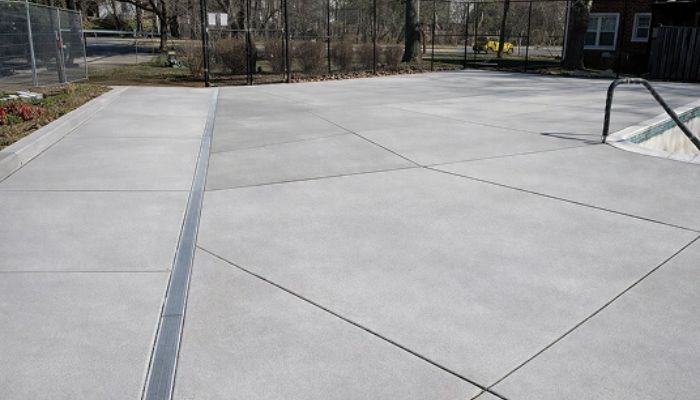
What Happens During a Residential Concrete Project?
Many homeowners are unfamiliar with the construction process involved in concrete installation. Understanding the steps helps set realistic expectations. Before hiring a contractor, many property owners review a company’s Google Business Profile to learn more about customer experiences, completed projects, and service quality.
Site Evaluation
The project begins with an assessment of the property. Contractors examine grading, drainage, soil conditions, and existing structures.
Design and Planning
Measurements are taken, project goals are discussed, and recommendations are made based on the property’s needs.
Excavation and Preparation
The installation area is cleared and excavated to the required depth. A compacted base is created to provide support for the concrete.
Form Installation
Forms act as temporary molds that define the shape and dimensions of the concrete structure.
Reinforcement Placement
Steel reinforcement or wire mesh may be added to improve strength and reduce the risk of cracking.
Concrete Pouring
Fresh concrete is placed within the forms and distributed evenly throughout the project area.
Finishing
Specialized tools create the desired surface texture and appearance.
Curing
Curing is the process that allows concrete to gain strength over time. Proper curing is critical for long-term performance.
Decorative Concrete Options for Modern Homes
Many homeowners want functional surfaces that also contribute to the appearance of their property. Decorative concrete provides numerous design possibilities.
Stamped Concrete
Stamped concrete uses molds to create patterns resembling natural stone, brick, wood, or tile.
Colored Concrete
Color pigments can be integrated into the concrete mixture or applied to the surface for a customized appearance.
Exposed Aggregate
This finish reveals decorative stones within the concrete, creating texture and visual interest.
Brushed Finish
A brushed finish offers a clean appearance while improving traction and slip resistance.
These decorative options allow homeowners to personalize outdoor spaces without sacrificing durability.
How Maryland Weather Affects Concrete
Climate plays an important role in concrete performance. Maryland’s seasonal changes require proper planning and installation techniques.
During winter, freeze-thaw cycles can cause expansion and contraction within concrete surfaces. Moisture penetration increases the risk of surface deterioration if proper sealing and drainage measures are not implemented.
Summer heat can also impact curing conditions. Professional contractors monitor weather conditions and adjust installation methods to achieve optimal results. Homeowners often follow industry updates and project examples on Facebook to learn how weather conditions affect concrete performance throughout the year.
This is one reason many homeowners rely on experienced Residential Concrete Services providers who understand local environmental conditions.
Concrete Maintenance Tips for Long-Term Performance
Concrete is durable, but routine maintenance helps maximize its lifespan.
Keep Surfaces Clean
Removing dirt, leaves, and debris prevents staining and surface deterioration.
Seal Concrete Periodically
Sealants provide a protective barrier against moisture, chemicals, and weather exposure.
Address Minor Cracks Early
Small cracks can often be repaired before they develop into larger structural concerns.
Improve Drainage
Proper drainage prevents standing water and reduces stress on concrete surfaces.
Avoid Harsh Chemicals
Some deicing products may contribute to surface damage. Use materials recommended for concrete surfaces.
Following these practices helps preserve appearance and structural integrity.
Why Professional Expertise Matters
Concrete installation involves more than simply pouring a mixture into forms. Proper grading, reinforcement, mix design, finishing techniques, and curing procedures all contribute to project success.
Mistakes made during installation can lead to premature cracking, drainage issues, uneven surfaces, and costly repairs. Professional Residential Concrete Services help minimize these risks through proper planning and execution.
Experienced contractors understand local building requirements, environmental factors, and industry best practices that influence project outcomes.
Why Homeowners Choose JP Companies Inc.
Selecting a contractor is one of the most important decisions during any construction project. Homeowners seek reliability, quality workmanship, and transparent communication.
JP Companies Inc. focuses on delivering durable residential concrete solutions designed to meet the needs of Maryland homeowners. From driveways and patios to walkways and foundations, every project receives careful attention from planning through completion.
The goal is simple: provide concrete installations that perform well, look great, and continue adding value for years to come.
Ready to Improve Your Property?
Whether you are planning a new driveway, patio, walkway, or another concrete project, working with experienced professionals can help ensure successful results. If you are considering Residential Concrete Services for your Maryland home, now is the perfect time to discuss your goals and explore available options.
Contact JP Companies Inc. today for durable, professional concrete solutions.
Frequently Asked Questions
How long does residential concrete typically last?
Properly installed and maintained concrete can last 30 years or more, depending on usage, environmental conditions, and maintenance practices.
What is the best season for concrete installation in Maryland?
Spring, summer, and fall generally provide favorable conditions, although professional contractors can often complete projects throughout much of the year.
Does concrete require maintenance?
Yes. Periodic cleaning, sealing, and crack repair help maximize lifespan and preserve appearance.
Can concrete improve property value?
Well-designed concrete features such as driveways, patios, and walkways often contribute positively to property value and curb appeal.
How long before new concrete can be used?
Light foot traffic is typically possible within a few days, while vehicle traffic generally requires a longer curing period. Specific timelines depend on project conditions.
Is decorative concrete durable?
Yes. Decorative concrete maintains the strength of traditional concrete while providing additional design options.
What causes concrete cracks?
Minor cracking can occur due to shrinkage, temperature changes, settlement, or heavy loads. Proper installation techniques help reduce the likelihood of significant cracking.
How do I know if I need professional Residential Concrete Services?
If you are planning a new installation, replacing damaged concrete, or improving outdoor living areas, professional assessment and installation help ensure durable and long-lasting results.
