
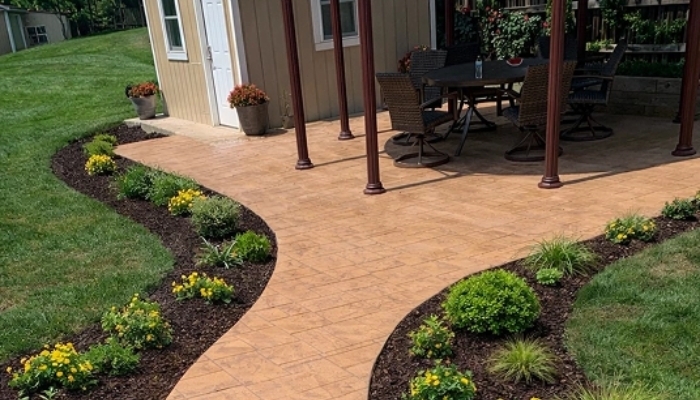
A well-built walkway is much more than a simple path connecting different areas of a property. It enhances curb appeal, improves safety, increases property value, and creates a welcoming environment for visitors. However, not every walkway is built to withstand years of changing weather, heavy foot traffic, and natural ground movement. The difference often lies in the engineering techniques and installation practices used by experienced professionals.
Hiring a skilled Walkway Installer ensures that every stage of the project is completed with precision, from planning and material selection to drainage management and finishing details. Companies with years of expertise, such as JP Companies Inc., understand that lasting durability comes from proper engineering rather than shortcuts. Let’s explore what professional installers do differently to create walkways that stand the test of time.
Why Engineering Matters in Walkway Construction
Many homeowners assume that installing a walkway simply involves placing pavers or pouring concrete. In reality, the process requires careful planning and engineering to ensure structural stability for years to come. Experienced professionals, such as JP Companies Inc., understand that every successful walkway begins with a strong engineering plan tailored to the property’s unique conditions.
Professional installers evaluate several critical factors before construction begins, including:
- Soil composition
- Ground slope
- Water drainage
- Expected foot traffic
- Climate conditions
- Material performance
Ignoring any of these factors can result in cracks, uneven surfaces, sinking pavers, or costly repairs within a few years.
Thorough Site Assessment before Construction
The first step taken by experienced professionals is conducting a complete site evaluation. Every property presents unique challenges that require customized solutions.
During the assessment, installers inspect soil conditions, identify drainage patterns, measure elevations, and determine whether tree roots or underground utilities may affect construction.
This preparation allows them to design a walkway that performs well under local environmental conditions rather than relying on generic installation methods.
Proper Excavation Creates a Strong Foundation
One of the biggest differences between amateur and professional installations is excavation depth.
Many walkway failures occur because the base beneath the surface was too shallow or poorly compacted. Professional crews excavate according to the soil type, intended use, and local building standards.
A properly excavated area provides enough room for multiple structural layers, reducing movement and preventing future settling.
The foundation is truly the most important part of any long-lasting walkway.
High-Quality Base Materials Improve Stability
Once excavation is complete, professionals install multiple layers of compacted aggregate. A skilled Walkway Installer understands that a strong foundation is essential for preventing future settling and ensuring long-term durability.
Instead of simply adding gravel, they carefully select crushed stone materials that lock together and distribute weight evenly across the walkway.
Each layer is compacted using specialized equipment to eliminate air pockets and reduce future movement.
This engineered base supports the surface materials while maintaining structural integrity through seasonal temperature changes.
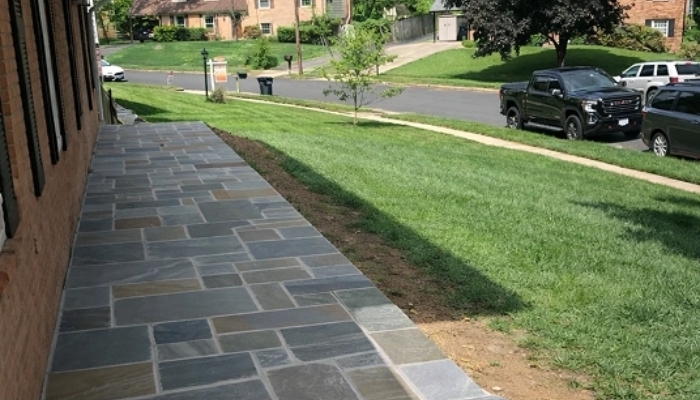
Drainage Planning Prevents Future Damage
Water is one of the biggest threats to any outdoor hardscape.
Professional installers carefully design drainage systems that move water away from the walkway instead of allowing it to collect underneath.
Proper grading, slope adjustments, and drainage channels help prevent erosion, frost heaving, and foundation deterioration.
Without effective drainage, even premium materials can fail prematurely.
Material Selection Based on Performance
Choosing attractive materials is only part of the decision.
Experienced professionals recommend products based on durability, climate resistance, maintenance requirements, and intended usage.
Popular options include concrete pavers, natural stone, brick, exposed aggregate concrete, and stamped concrete.
Each material offers unique advantages, and selecting the right one ensures the walkway performs well for many years.
Precision Installation Makes the Difference
Professional installation requires much more than placing materials side by side.
Every section is measured carefully to maintain consistent spacing, proper alignment, and smooth transitions.
Small errors in levelling can create trip hazards or cause water pooling over time.
An experienced Walkway Installer uses advanced tools and proven installation techniques to achieve a clean, durable finish that remains attractive year after year.
Learn more : High-End Pavers Walkway Ideas Inspired by Luxury Landscapes
Expansion Joints Help Prevent Cracking
Concrete naturally expands and contracts with temperature changes.
Professional installers incorporate expansion joints at strategic locations to accommodate this movement.
Without these joints, pressure builds within the concrete, increasing the likelihood of cracks and surface damage.
Thoughtful engineering significantly extends the lifespan of the finished walkway.
Edge Restraints Keep Everything Secure
For paver walkways, edge restraints play an essential role.
These structural borders prevent pavers from shifting outward under regular foot traffic.
Combined with proper compaction and joint sand installation, edges restraints help maintain the original appearance and alignment for many years.
Finishing Techniques Enhance Longevity
The final stages of installation are just as important as the foundation work.
Professionals clean the surface thoroughly, apply protective sealants when appropriate, and inspect every joint for consistency.
These finishing steps improve resistance against stains, moisture, UV exposure, and everyday wear.
Attention to detail at this stage often determines how well the walkway performs over the next decade.
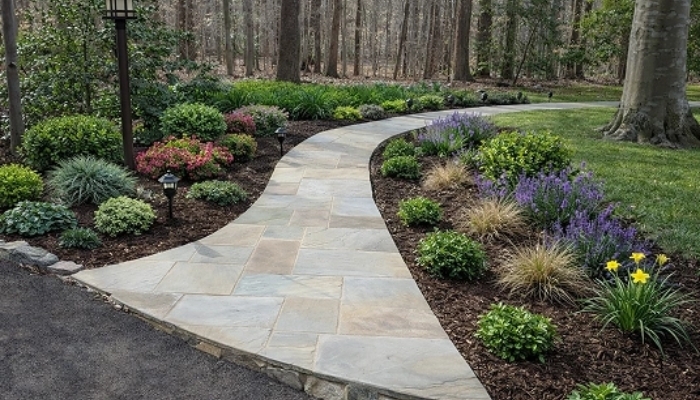
Routine Maintenance Protects Your Investment
Even the best-built walkway benefits from regular maintenance.
Property owners should periodically remove debris clean stains promptly, inspect for shifting, and reseal surfaces when recommended.
Professional contractors also provide maintenance guidance tailored to the installed materials.
Following these recommendations helps maximize both appearance and structural performance.
Technology Improves Installation Accuracy
Modern walkway construction has evolved significantly.
Professional companies increasingly use laser levels, precision measuring equipment, soil compaction testing, and advanced cutting tools to improve installation quality.
Many businesses also maintain an optimized GBP Profile so customers can review completed projects, verify service areas, and read client feedback before scheduling consultations.
Choosing the Right Installation Partner
Selecting an experienced contractor is one of the most important decisions in any walkway project.
Look for companies with proven experience, quality workmanship, transparent estimates, and a portfolio of completed installations.
Reading customer reviews, browsing completed projects, and checking updates on Facebook can provide valuable insight into a company’s reputation and consistency.
Trusted professionals such as JP Companies Inc. focus on long-term performance rather than quick installations, ensuring every project meets high construction standards.
When you hire an experienced Walkway Installer, you gain the confidence that your investment is built on proper engineering principles designed for durability and safety.
Frequently Asked Questions
1. Why should I hire a professional walkway installer instead of doing it myself?
A professional has the expertise, equipment, and engineering knowledge needed to build a stable, properly drained walkway that lasts much longer than most DIY installations.
2. How long does a professionally installed walkway typically last?
With quality materials and proper maintenance, professionally installed walkways can last anywhere from 20 to 40 years or even longer, depending on the material used.
3. What is the best material for a long-lasting walkway?
Concrete pavers, natural stone, and properly reinforced concrete are among the most durable options. The ideal choice depends on your budget, design preferences, and local climate.
4. How important is drainage during walkway installation?
Drainage is essential because standing water can weaken the foundation, cause erosion, create cracks, and reduce the lifespan of the walkway.
5. How often should a walkway be maintained?
Routine cleaning throughout the year, annual inspections, and resealing when recommended will help preserve the walkway’s appearance and structural integrity for many years.
Conclusion
A durable walkway is never the result of luck. It is the outcome of thoughtful engineering, careful planning, quality materials, and expert craftsmanship. From thorough site assessments and proper excavation to drainage management and precision finishing, every step contributes to long-term performance.
Choosing experienced professionals like JP Companies Inc. helps ensure your walkway remains attractive, functional, and structurally sound for years to come. Investing in quality installation today reduces maintenance costs, minimizes repairs, and provides lasting value for your property.
Contact Us
Ready to build a walkway that combines beauty, strength, and long-term durability? Contact us today to discuss your project and discover how professional installation can create a walkway designed to last for years.
